My first experience with estimation was about 15 years ago, working with a big bank in a classic waterfall setup. Since then, I’ve worked with digital agencies and high-growth startups, each bringing its own unique challenges and lessons. Through these roles, I saw that target dates help projects stay on track, even if the exact timelines are hard to predict.
Estimates set a clear focus. Without them, teams can fall into the trap of endless tweaks and refinements — a problem often explained by Parkinson’s Law, which suggests that tasks expand to fill the available time
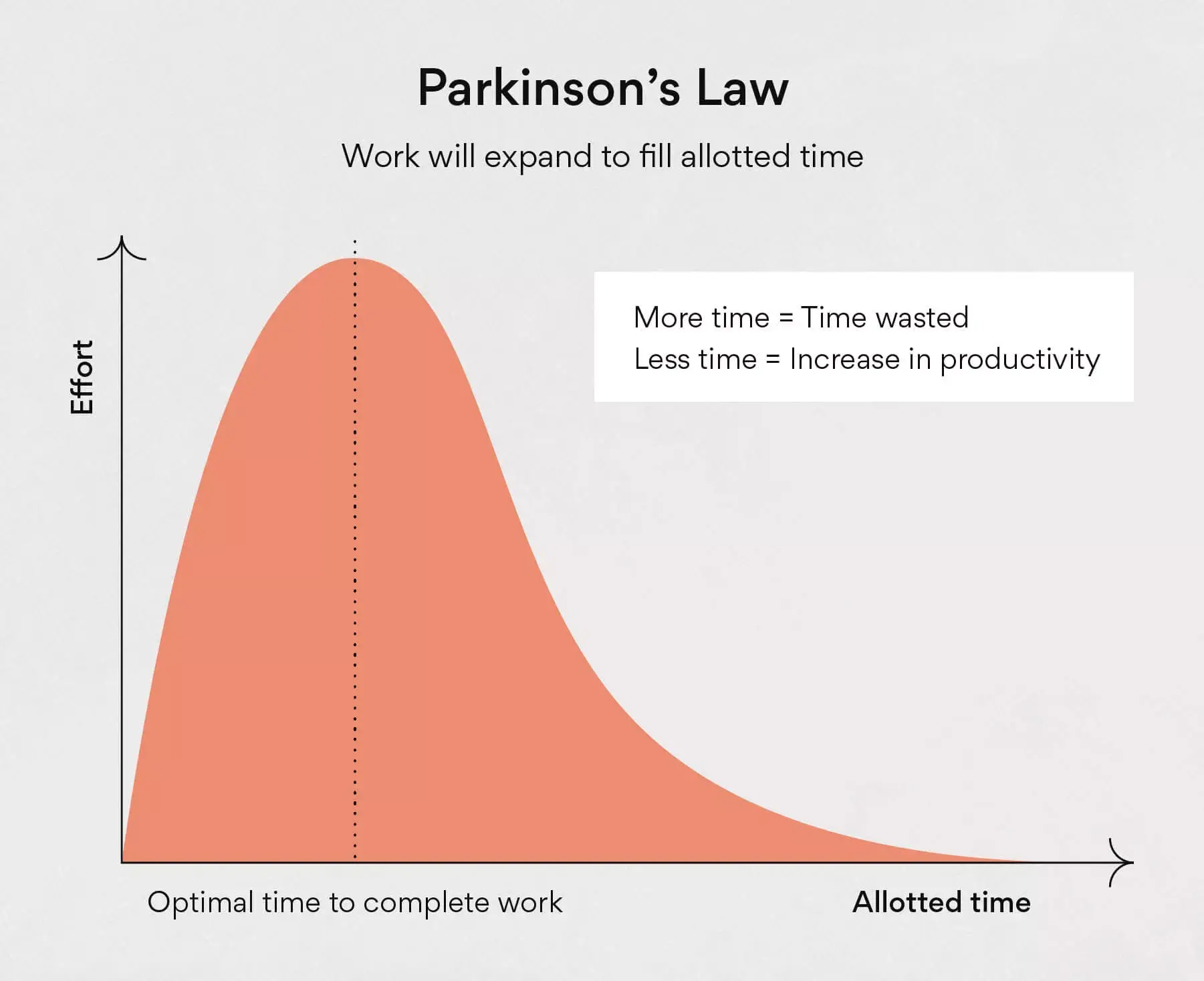
Setting target dates lets teams prioritize core functions, deliver value faster, and avoid getting bogged down in non-essential details. Even if a date shifts, the deadline itself helps keep a clear direction, balancing flexibility with the need to move forward.
Why Target Dates Are Useful
-
Focus and Urgency
Virtual target dates act as self-imposed deadlines that give the team focus and urgency. These timeframes help avoid endless cycles of improvement by creating a clear endpoint, countering “Parkinson’s Law,” which suggests work will expand to fill the time given -
Clear Priorities
Deadlines help teams identify which tasks are essential. When time is tight, target dates guide teams to focus on high-priority features and let go of lower-priority items, preventing the project from becoming overloaded. -
P&L Alignment
Target dates help tie product work to financial outcomes. They encourage teams to deliver measurable value and support accountability by linking efforts to business results. -
Accountability and Trust
Estimates give all stakeholders a shared understanding of what to expect and when. This builds trust and clarity across teams, reducing surprises and miscommunication as everyone works toward the same end goal. -
Encourages Consistent Progress
Target dates provide a framework of accountability, helping teams stay on track. Even if timelines shift, these targets keep projects moving and build a reputation for reliability within the team.
Conclusion
Estimates aren’t about guaranteeing exact delivery dates — they’re about creating structure. With target dates, teams can balance flexibility with focus, ensuring steady progress without endless cycles of refinement.